Eating with the Seasons: Bringing Ayurvedic Wisdom to the British Table
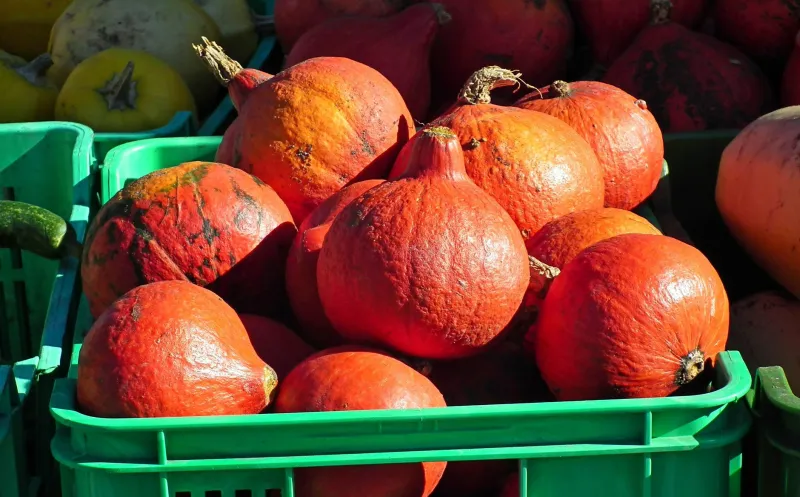
There is a quiet intelligence in the way nature provides. Long before the era of year-round supermarket abundance, communities ate what the land offered — and Ayurveda, the ancient Indian system of holistic health, built an entire dietary philosophy around this very idea. Known as Ritucharya, or seasonal regimen, this practice holds that the body's needs shift in accordance with the natural world, and that eating in harmony with those shifts is one of the most profound acts of self-care available to us.
For those living in the United Kingdom, the good news is that this wisdom does not require expensive imports or exotic ingredients. Britain's own agricultural calendar — from the tender shoots of a Cotswold spring to the root-laden bounty of a Scottish autumn — offers a rich and varied larder that aligns remarkably well with Ayurvedic principles. Farmers' markets from Cornwall to Aberdeenshire, as well as the seasonal sections increasingly found in British supermarkets, make this approach both practical and pleasurable.
Spring: Lightening and Cleansing (Roughly March to May)
In Ayurveda, spring is associated with the Kapha dosha — the energy of earth and water that accumulates during the cold, damp months of winter. As the days lengthen and temperatures gradually rise, the body naturally seeks to shed this heaviness. Ayurvedic tradition recommends foods that are light, bitter, and astringent during this period, encouraging the digestive system to clear accumulated toxins, or ama.
British spring produce is, fortuitously, well suited to this purpose. Purple sprouting broccoli, one of the earliest crops to appear at UK farmers' markets, carries a pleasant bitterness that Ayurveda regards as cleansing and stimulating to the liver. Wild garlic, which carpets British woodland floors from late March, offers a gentler pungency than its cultivated cousin and is easily foraged or purchased at specialist greengrocers. Jersey Royal potatoes, rhubarb, and fresh peas round out a spring table that is both grounding and refreshing.
Practically speaking, this is an excellent season to reduce heavy, unctuous foods — the stews and rich puddings of winter — and to favour lightly steamed vegetables, warming herbal teas such as ginger and lemon, and smaller, more frequent meals that do not tax the digestive fire.
Summer: Cooling and Balancing (Roughly June to August)
Summer in Britain, even at its most glorious, rarely reaches the scorching intensities of the Indian subcontinent for which much Ayurvedic seasonal guidance was originally written. Nevertheless, the principles remain relevant. The Pitta dosha — associated with heat, intensity, and transformation — tends to rise during the warmer months, and an excess of Pitta can manifest as irritability, inflammation, or digestive sensitivity.
Britain's summer harvest is wonderfully cooling by nature. Cucumbers, courgettes, and lettuces thrive in the British climate and carry a high water content that Ayurveda regards as inherently pacifying to Pitta. Strawberries and raspberries, abundantly available from June onwards and a staple at pick-your-own farms across the country, are sweet and slightly astringent — qualities that temper internal heat without extinguishing digestive capacity altogether.
Fresh mint, grown easily in most British gardens or window boxes, makes an ideal addition to summer meals and drinks. Ayurveda recommends avoiding excessively sour, salty, or spicy foods during this season, making the British tradition of simple salads and cold soups a surprisingly Ayurvedic choice. Coconut water, though not a British crop, is now widely available and provides excellent electrolyte replenishment in a form that Ayurveda considers cooling and nourishing.
Autumn: Grounding and Transitioning (Roughly September to November)
Perhaps no season aligns more naturally with Ayurvedic teaching than the British autumn. As Vata dosha — the energy of air and movement — begins to rise with the cooling, drying winds of September, the body craves warmth, stability, and nourishment. This is also the season of Vata's natural aggravation, which can present as anxiety, disturbed sleep, dry skin, and irregular digestion if left unaddressed.
Fortunately, Britain's autumn harvest is a Vata-pacifying treasure. Butternut squash, parsnips, carrots, and beetroot — all abundantly available at farm shops and market stalls from September onwards — are sweet, dense, and deeply grounding. Apples and pears, quintessentially British fruits at their peak through September and October, are best consumed warm and spiced rather than raw and cold; a simple baked apple with cinnamon and a drizzle of honey is both a comfort and a tonic according to Ayurvedic principles.
Cooking methods matter as much as ingredients during this season. Slow-cooked soups, dhal, and casseroles — prepared with warming spices such as cumin, coriander, and turmeric — help to maintain digestive warmth and counteract the drying, dispersing quality of Vata. Adding good-quality fats, such as ghee or cold-pressed rapeseed oil (a British-grown alternative to olive oil), further supports the body's need for lubrication during this transitional period.
Winter: Nourishing and Sustaining (Roughly December to February)
Winter in Britain is, by any measure, a season of withdrawal. The body responds to cold and darkness by conserving energy, and Ayurveda supports this instinct wholeheartedly. This is a season for building strength and vitality through rich, warm, and deeply nourishing foods — a philosophy that sits comfortably alongside many British culinary traditions.
Root vegetables remain prominent in the winter larder: swede, celeriac, leeks, and Savoy cabbage are all seasonally appropriate and widely grown across the UK. Lentils and legumes, which Ayurveda regards as excellent sources of grounded, sustained energy, form the backbone of warming soups and stews. Oats — a crop deeply embedded in British and particularly Scottish food culture — make an ideal winter breakfast when prepared as a warm, well-spiced porridge with cardamom, cinnamon, and a spoonful of ghee.
Ayurveda also encourages the use of adaptogenic herbs during winter to support immunity and resilience. Ashwagandha, while not a British plant, is now readily available in supplement form across the UK and is regarded in Ayurvedic tradition as one of the finest winter tonics. Paired with warm milk — or a plant-based alternative — it forms a soothing evening drink known as golden milk that has found considerable popularity in British wellness circles in recent years.
Making It Work in Everyday British Life
Adopting a seasonally aligned, Ayurvedically informed diet need not require a dramatic overhaul of one's shopping habits. A practical starting point is to consult the Soil Association's seasonal produce guide, visit a local farmers' market once a fortnight, or simply pay closer attention to the reduced-price seasonal sections in mainstream supermarkets, where British-grown produce is often clearly labelled.
The underlying principle is one of attentiveness — to the season, to the body, and to the quiet signals that both send when they are in or out of balance. Sukha, the Sanskrit word for ease and well-being that inspires this platform, is not an abstract ideal. It is, in many ways, the natural result of living in greater harmony with the world around us — beginning, quite simply, with what we choose to place upon our plates.