Movement as Medicine: Rediscovering Exercise Through the Ayurvedic Lens
Walk into any British gym in January and you will encounter a particular atmosphere — one of determination edged with desperation. Rows of treadmills occupied by people pushing harder, faster, longer, as though the body were a machine requiring only sufficient force to yield results. Social media amplifies this culture relentlessly: the before-and-after photograph, the personal best announcement, the motivational caption urging followers to earn their rest.
Yet for a growing number of people in the UK, this approach is not producing vitality. It is producing fatigue, injury, and an increasingly fraught relationship with the very act of moving. Ayurveda — the ancient Indian system of medicine that has guided human wellbeing for over five thousand years — offers a compelling counter-narrative. One in which movement is not a performance to be judged, but a dialogue to be entered into with intelligence, gentleness, and self-knowledge.
What Ayurveda Actually Means by Exercise
The Sanskrit term vyayama translates roughly as physical exertion undertaken for the purpose of health. Crucially, classical Ayurvedic texts such as the Ashtanga Hridayam specify that exercise should be performed to half capacity — a principle known as ardha shakti. This is not an invitation to laziness. Rather, it reflects a sophisticated understanding that the body maintains resilience precisely when it is not chronically depleted.
The signs of appropriate effort, according to this tradition, include a light sweat on the forehead and underarms, a slightly elevated breath rate, and a sense of energised lightness — not collapse. When movement leaves you feeling worse than before you began, Ayurveda regards this as a signal worth heeding, not overriding.
This stands in stark contrast to the 'no pain, no gain' philosophy that saturates British fitness culture. That mantra, however motivating it may feel in the short term, frequently contributes to burnout, chronic inflammation, adrenal exhaustion, and a deepening disconnection from bodily sensation.
The Dosha Factor: One Size Does Not Fit All
One of Ayurveda's most practical gifts to modern exercise science is the recognition that different constitutional types — known as doshas — require fundamentally different approaches to movement.
Those with a predominantly Vata constitution (characterised by qualities of lightness, irregularity, and cold) tend to be enthusiastic beginners who exhaust quickly and are prone to joint injury. For Vata types, grounding, rhythmic, and warming practices are most beneficial. Gentle yoga, walking in nature, swimming in heated pools, and tai chi are far more nourishing than high-intensity interval training, which amplifies the already-erratic Vata energy.
Pitta types, who possess natural drive, competitiveness, and heat, are often the most recognisable figures in gym culture — and the most likely to overtrain. Their challenge is not motivation but moderation. Cooling, non-competitive activities such as cycling through countryside, swimming in open water (a quintessentially British pleasure), or restorative yoga help Pitta individuals discharge physical energy without inflaming their already-fiery constitution.
Kapha types, characterised by stability, endurance, and a natural tendency toward stillness, genuinely benefit from more vigorous movement — though approached with consistency rather than intensity. Brisk walking, dancing, or rowing can invigorate the Kapha system without overwhelming it. The key for Kapha is regularity and enjoyment, not punishment.
Walking: Britain's Most Undervalued Prescription
It is worth pausing on one modality that Ayurveda has long championed and that Britain's landscape makes uniquely accessible: walking. The UK is home to thousands of miles of public footpaths, coastal trails, and ancient rights of way. Yet walking is persistently undervalued in fitness culture, dismissed as insufficiently rigorous by those measuring effort in calories burned.
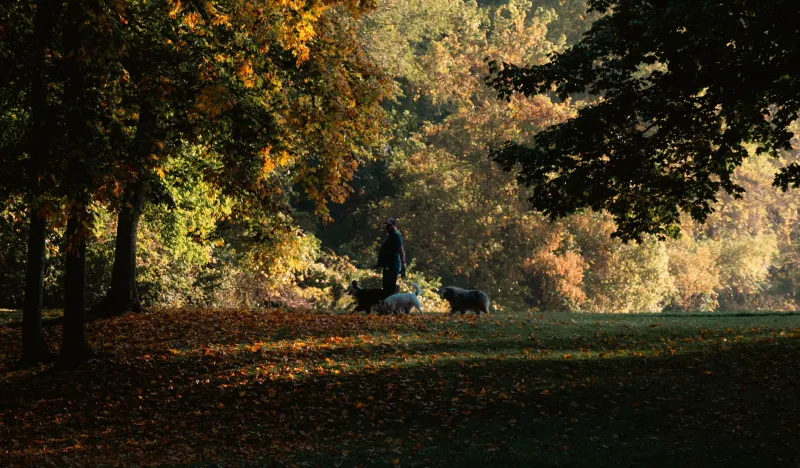
Ayurveda disagrees. A mindful walk — particularly in natural settings and ideally taken after meals — is considered deeply therapeutic for all three doshas. It stimulates agni (digestive fire), settles the nervous system, and reconnects the individual to the rhythms of the natural world. The Japanese practice of shinrin-yoku, or forest bathing, mirrors this Ayurvedic understanding almost precisely.
For the many British people who feel alienated by gym environments, walking offers a dignified, accessible, and profoundly effective alternative. The Peak District, the South Downs, the Norfolk Broads, and countless urban parks are, in Ayurvedic terms, genuine wellness resources.
Yoga Beyond the Instagram Pose
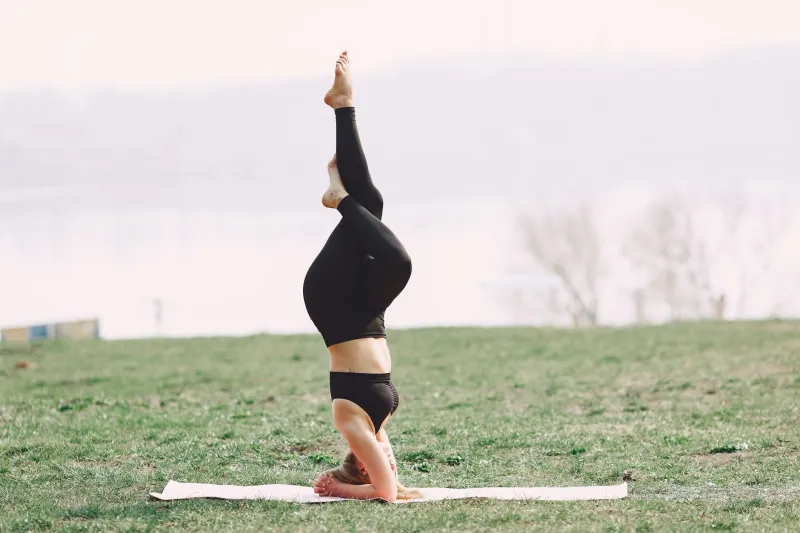
Yoga has become enormously popular across the UK, yet it is frequently practised in ways that contradict its Ayurvedic origins. Hot yoga classes that leave participants wrung out like dishcloths, power yoga sessions timed to pounding music, and the pervasive pressure to achieve advanced postures — none of these reflect the tradition from which yoga emerged.
Ayurvedic yoga is adaptive, intuitive, and deeply personal. It asks not how difficult a pose can you achieve? but what does your body require today? On days of fatigue or illness, restorative postures and pranayama (breathwork) are considered more valuable than any demanding asana sequence. This is not a concession to weakness — it is sophisticated self-regulation.
For British practitioners, this reframing may feel liberating. The permission to attend a gentle yoga class without guilt, to modify postures without apology, and to regard rest as an active choice rather than a failure is, for many, profoundly welcome.
Reframing the Relationship
Perhaps the most significant shift Ayurveda invites is a change in the fundamental question we bring to movement. Rather than asking how hard did I work? or how many calories did I burn?, the Ayurvedic practitioner asks: does this practice leave me feeling more whole?
This is not a lowering of ambition. It is a deepening of it. The goal shifts from aesthetic performance to genuine vitality — the kind that sustains energy across decades rather than depleting it in seasons.
For UK readers worn down by fitness culture's unrelenting demands, Ayurveda's message is both ancient and urgently contemporary: movement should feel, ultimately, like coming home to yourself. Not like punishment. Not like competition. Like care.
Begin there. The rest will follow.