Spring, Cleansing, and Common Sense: The Ayurvedic Case Against Extreme Detox Culture
Sometime around late February, the wellness industry begins its annual performance. The adverts appear: glowing individuals holding green juices, promises of 'resetting' the liver, testimonials about feeling 'lighter' and 'cleaner' after five days of consuming nothing but cold-pressed celery. By March, the detox economy is in full swing, and a great many otherwise sensible British adults are spending considerable sums on programmes that bear no relationship to how the human body actually functions.
It is worth stating plainly: the liver, kidneys, and lymphatic system are not waiting for January's excesses to be manually removed by a £180 juice subscription. They are working continuously, efficiently, and without any requirement for commercial assistance. The concept of 'detoxification', as marketed by the wellness industry, is not a physiological process. It is a marketing category.
And yet — here is where the picture becomes more nuanced — the Ayurvedic tradition from which much of this language is loosely borrowed does contain a genuinely sophisticated framework for seasonal cleansing. That framework has been distorted almost beyond recognition by its commercial appropriation. Recovering the original concept is both useful and overdue.
Why Spring Matters Biologically
Ayurveda divides the year into seasons (ritu) and assigns each a predominant doshic quality. Late winter and early spring are governed by Kapha — the dosha characterised by heaviness, moisture, and accumulation. Throughout the colder months, the body naturally conserves resources: digestion slows, metabolism is somewhat suppressed, and heavier foods are both craved and appropriate. This is adaptive. It is the body's intelligence responding to environmental conditions.
As the days lengthen and temperatures rise, however, the accumulated Kapha of winter begins to 'melt' — a process Ayurveda describes in terms that map quite coherently onto modern physiology. Mucus production increases (as anyone who suffers from spring hay fever will recognise). Digestion, which was already sluggish through winter, can struggle to process the residue of months of heavier eating. The lymphatic system, which manages the body's fluid balance and immune surveillance, may require additional support.
This transitional period is when Ayurveda recommends ritucharya — seasonal adjustment of diet, routine, and, where appropriate, gentle purification. Not because the body is toxic. But because the shift between seasons creates a physiological moment in which targeted support can meaningfully assist the body's own regulatory intelligence.
What Panchakarma Actually Is — and Is Not
The term most frequently misappropriated in spring wellness marketing is panchakarma — the classical Ayurvedic system of therapeutic cleansing. Panchakarma, properly understood, is a sophisticated clinical protocol involving five specific procedures, administered under the supervision of a trained Ayurvedic physician, following a preparatory phase of dietary adjustment and oleation therapy. It is not a juice fast. It is not a colonic irrigation. It is not a week of eating nothing.
Authentic panchakarma includes procedures such as virechana (therapeutic purgation using specific herbal preparations), basti (medicated enema therapy), and vamana (therapeutic emesis, used in specific clinical contexts). These are medical interventions, not consumer products. They require individual assessment, appropriate preparation, and qualified oversight.
The wellness industry's habit of invoking panchakarma to lend legitimacy to unrelated commercial programmes is, at best, a category error. At worst, it misleads consumers into believing that extreme dietary restriction is both safe and ancient — when, in fact, the classical tradition is considerably more measured and considerably more personalised than any off-the-shelf cleanse could accommodate.
A Rational Spring Protocol for UK Readers
What, then, does a genuinely Ayurvedic approach to spring cleansing look like for a person living in Britain, without access to a clinical Ayurvedic facility and without the inclination to subsist on liquids for a week?
The answer is both more accessible and more interesting than the wellness industry suggests.
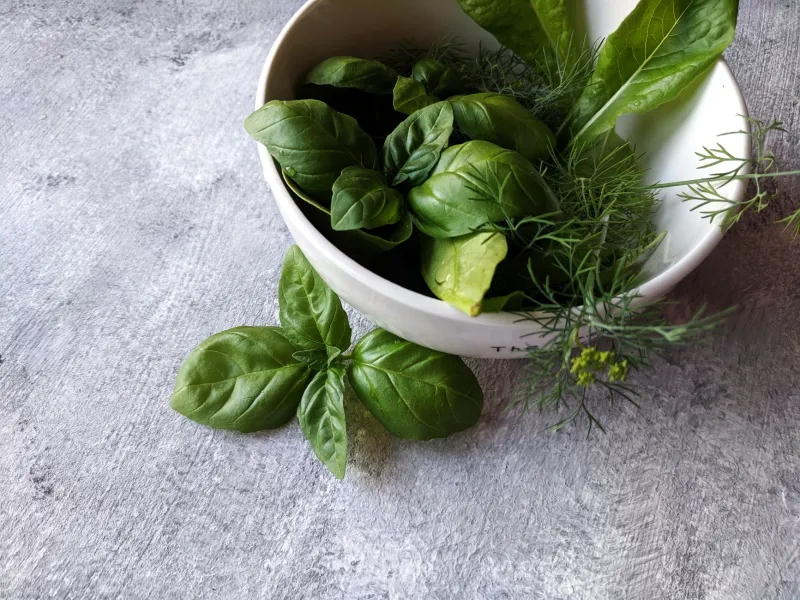
Dietary Simplification Ayurveda recommends reducing heavy, oily, and sweet foods during the Kapha season transition — not eliminating food, but shifting its quality. In practical terms for a British spring, this means reducing dairy (particularly cheese and yoghurt), favouring lighter grains such as basmati rice and barley over wheat, and incorporating more bitter and astringent tastes, which Ayurveda associates with Kapha reduction. Rocket, watercress, dandelion leaves, and spring greens — all of which are seasonally available in the UK — are considered particularly appropriate. This is not deprivation. It is seasonal eating with intention.
Triphala: The Gentle Regulator Triphala — a classical Ayurvedic formulation combining three fruits (amalaki, bibhitaki, and haritaki) — is one of the most extensively researched compounds in traditional medicine. It supports digestive regularity, provides antioxidant activity, and gently encourages the elimination pathways without the harsh laxative effect of many commercial 'detox' products. Taken as a warm infusion before bed during the spring transition, it is a measured, evidence-informed intervention that requires no dramatic lifestyle disruption.
Movement and Lymphatic Support The lymphatic system, unlike the cardiovascular system, has no dedicated pump. It moves through muscular contraction, breath, and postural change. Ayurveda has always emphasised the importance of vyayama — appropriate exercise — during the Kapha season, and modern physiology fully supports this. Brisk walking, yoga, and dry body brushing (garshana, a practice using raw silk gloves) all stimulate lymphatic circulation. None of these requires a gym membership or a supplement stack.
Reducing Accumulated Ama The Ayurvedic concept of ama — the residue of incomplete digestion — is perhaps the most clinically useful idea in the entire spring-cleansing framework. Ama is not a mystical substance; it is a functional description of the metabolic burden that accumulates when the digestive system is consistently asked to process more than it can efficiently handle. The primary strategy for reducing ama is not aggressive purging but rather strengthening agni — digestive fire — through warm, cooked, easily digestible foods; the use of digestive spices such as ginger, cumin, and coriander; and the consistent practice of eating at regular times without snacking between meals.
The Argument for Restraint
The most countercultural position one can occupy in the contemporary wellness market is one of moderation. Extreme protocols are inherently more marketable than sensible ones. A five-day juice fast generates urgency, novelty, and shareable content. A gradual, seasonally informed shift in dietary habits does not. But the body does not respond to marketing. It responds to consistency, intelligence, and the kind of sustained, respectful attention that Ayurveda has always advocated.
Spring is a genuine biological threshold. The light is changing, the body is shifting, and there is real value in meeting that transition with conscious adjustment. The Ayurvedic tradition offers a framework for doing so that is grounded, personalised, and physiologically coherent. It simply asks that we resist the temptation to confuse genuine ancient wisdom with the commercial products that invoke its language whilst sharing none of its substance.