Cooling the Ambitious Mind: How Pitta Imbalance Is Quietly Fuelling Britain's Burnout Crisis

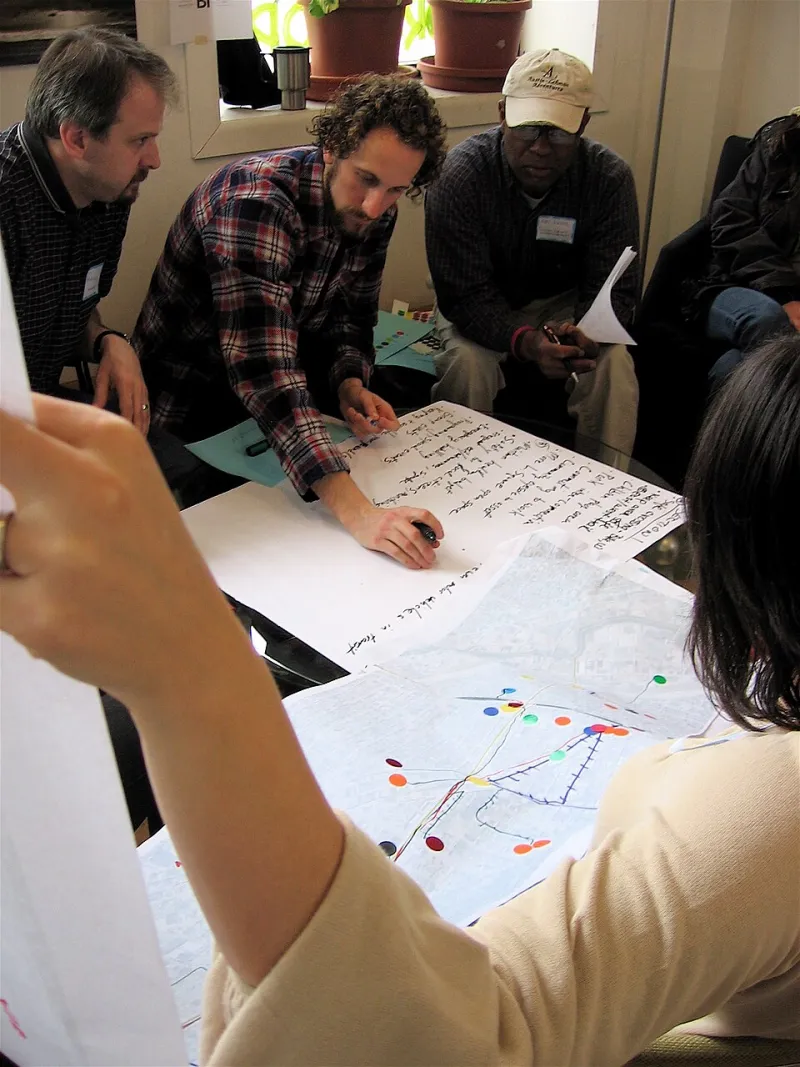
Photo: CIPHR Connect, CC BY 2.0, via Wikimedia Commons
The Face of Modern Success — and What It Costs
Britain has always prided itself on a certain stoic industriousness. From the City of London's trading floors to the NHS wards of Manchester and the creative agencies of Shoreditch, the cultural expectation is clear: work hard, stay sharp, and never let them see you waver. For millions of professionals, this ethos has become not merely a career strategy but an identity — one that is, according to Ayurvedic philosophy, quietly consuming them from within.
Burnout is no longer a fringe concern. The Health and Safety Executive reported that over 17 million working days were lost to work-related stress, depression, or anxiety in a single recent year. Yet the conversation around burnout remains largely psychological, focusing on workload and mental strain while overlooking the profound physiological dimension. Ayurveda, the five-thousand-year-old Indian system of medicine, offers a framework that bridges this gap — and places Pitta dosha at the centre of the crisis.
Understanding Pitta: The Dosha of Drive
In Ayurvedic philosophy, all human beings are composed of three fundamental biological energies, or doshas: Vata (air and ether), Kapha (earth and water), and Pitta (fire and water). Each governs distinct physiological and psychological functions. Pitta, the fiery dosha, presides over digestion, metabolism, transformation, ambition, intellect, and the capacity for precise, focused action.
In balance, Pitta produces exceptional qualities: clarity of thought, natural leadership, competitive spirit, and the drive to achieve. Many of Britain's most accomplished professionals — surgeons, barristers, investment bankers, senior civil servants — carry a Pitta-dominant constitution. Their fire is, quite literally, their professional asset.
The difficulty arises when that fire is stoked beyond what the system can sustain. Modern work culture, with its always-on connectivity, performance metrics, and culture of competitive perfectionism, functions as a relentless Pitta accelerant. The result is not simply tiredness. It is a systemic inflammatory overload that manifests across body and mind simultaneously.
How the Workplace Aggravates Pitta
Ayurveda teaches that Pitta is increased by its own qualities: heat, intensity, sharpness, and excess. Consider the conditions of contemporary professional life through this lens.
The open-plan office, with its artificial lighting and constant sensory stimulation, generates sustained physiological alertness. Deadline culture creates perpetual urgency, the psychological equivalent of holding a flame too close to kindling. Competitive benchmarking — quarterly reviews, KPIs, league tables — triggers the Pitta tendency toward comparison and self-criticism. Even the foods consumed by time-pressured professionals, coffee, alcohol, spiced takeaways, and irregular meals, are precisely the dietary choices that Ayurveda identifies as most aggravating to Pitta.
Over months and years, this accumulation produces what Ayurveda calls Pitta Vikrti — a state of Pitta excess. The body begins to signal its distress through characteristic channels: acid reflux and gastric inflammation, skin conditions such as rosacea and eczema, inflammatory joint pain, migraines, excessive body heat, and a sharp-edged irritability that erodes personal relationships. The mind, meanwhile, becomes hypervigilant, prone to perfectionism, intolerant of ambiguity, and unable to disengage from work even during rest.
This is burnout — not as a psychological label, but as a whole-body inflammatory event with a coherent physiological logic.
The Perfectionism Trap
One of Pitta imbalance's most insidious expressions is perfectionism. Where healthy Pitta ambition drives excellence, excess Pitta transforms this into an unrelenting inner critic — a voice that raises the standard with each achievement, rendering satisfaction perpetually out of reach.
British professional culture often rewards and reinforces this tendency. The individual who stays latest, delivers most precisely, and never admits limitation is frequently the one who advances. What the organisation interprets as commitment, Ayurveda recognises as a system operating without adequate cooling — productive in the short term, catastrophic over time.
The Ayurvedic concept of Prajnaparadha, meaning a crime against wisdom, describes the moment when an individual knowingly continues a behaviour that is causing harm. The professional who ignores mounting physical signals — the persistent heartburn, the sleeplessness, the weekend migraines — in service of the next deadline is, in Ayurvedic terms, committing precisely this transgression.
Ayurvedic Strategies for Cooling the Fire
The Ayurvedic approach to Pitta management does not advocate for diminished ambition or professional withdrawal. Rather, it seeks to sustain peak performance by restoring the physiological conditions in which true excellence is possible.
Dietary cooling is foundational. Pitta is pacified by sweet, bitter, and astringent tastes, and by foods that are cool, heavy, and moist in quality. For the British professional, this translates into practical choices: replacing the habitual morning coffee with warm milk and cardamom or herbal alternatives such as liquorice root tea; incorporating cooling foods such as cucumber, coconut, coriander, fennel, and sweet fruits; reducing alcohol, which Ayurveda regards as one of the most potent Pitta aggravants; and eating meals at consistent times, since irregular eating is deeply destabilising to the Pitta constitution.
Temporal boundaries around work represent another critical intervention. Ayurveda maps the doshas onto the daily cycle: the Pitta period runs from ten in the morning to two in the afternoon, and again from ten at night to two in the morning. Working consistently into the late Pitta period — as many professionals do — means engaging the system precisely when its fire is naturally intensifying. Establishing a genuine evening wind-down, ideally before ten o'clock, is not a luxury but a physiological necessity for the Pitta individual.
Movement should be cooling rather than heating. The high-intensity exercise that many Pitta types are drawn to — long runs, competitive sport, intense gym sessions — can paradoxically worsen imbalance when undertaken during periods of excess. Ayurveda recommends swimming, walking in natural settings, and yoga practices emphasising forward folds and lunar sequences for Pitta pacification.
Abhyanga, the Ayurvedic practice of self-massage with appropriate oils, holds particular value here. Coconut oil, cooling and nourishing in its qualities, applied before bathing offers the nervous system a direct signal of safety — a physiological counterpoint to the sustained activation of the professional day.
Sheetali pranayama, a breathing technique in which air is drawn through a curled tongue, is described in classical texts as one of the most direct methods of reducing internal heat. Even five minutes of this practice at midday can interrupt the accumulating Pitta momentum of a demanding working day.
Sustaining the Fire Without Being Consumed by It
Ayurveda does not ask the ambitious professional to become someone else. It asks, rather, that they learn to tend their fire with the same intelligence they bring to their work. A fireplace, after all, is not made more useful by removing its boundaries — it is made safe, and therefore sustainable, precisely because of them.
Britain's burnout epidemic will not be resolved by resilience training programmes or mindfulness apps deployed within unchanged working cultures. It requires a more fundamental reconsideration of the relationship between human physiology and professional life. Ayurveda, with its sophisticated understanding of how fire — in all its forms — must be honoured as much as it is harnessed, offers a framework that is not merely ancient but urgently contemporary.
The internal fire that drives Britain's highest achievers is not the problem. The absence of wisdom about how to sustain it is.