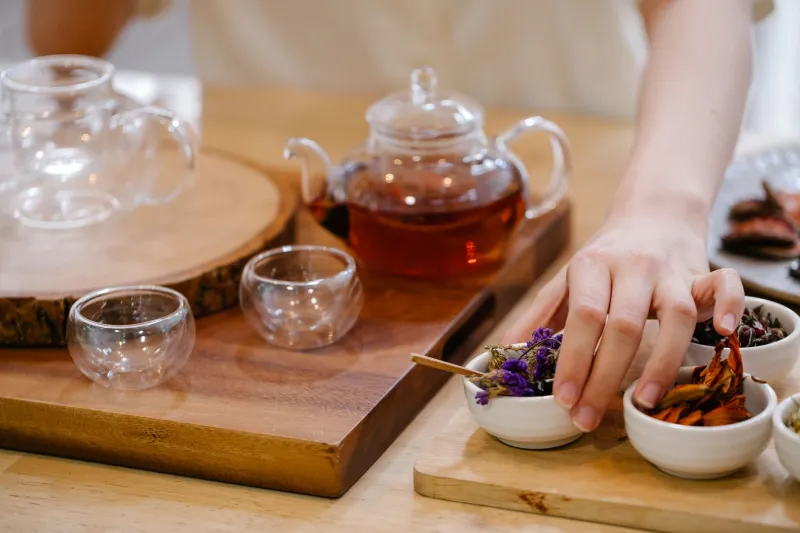
Cold Hands, Warm Core: Reading Winter Circulation Through an Ayurvedic Lens
Photo: 2nd Lt. Don Ellibee, Public domain, via Wikimedia Commons
Cold hands and feet are so common in Britain that they are often treated as a personality trait. Some people simply say they have bad circulation. Sometimes that is true in a general sense. Sometimes it is a sign of something that deserves medical attention. Ayurveda offers a useful framework for thinking about the difference, provided it is kept in its place.
The Ayurvedic reading
In Ayurvedic terms, cold extremities are a Vata pattern. Vata is cold, dry, light and mobile. When it increases, the body tends to draw warmth inward, the skin becomes dry, and the periphery feels cold. Digestion may become irregular, sleep lighter and energy more variable. This is not a diagnosis. It is a description of a pattern that many people recognise in winter, especially those who skip meals, overwork, travel long distances or live on cold drinks and raw food.
Circulation is not one thing
From a conventional perspective, cold hands and feet usually reflect vasoconstriction: the body narrows peripheral blood vessels to preserve core temperature. That is normal. It becomes more than normal when the colour changes, when there is pain or numbness, when one side is affected, or when the coldness persists in warm conditions. Raynaud's phenomenon, thyroid problems, anaemia, low blood pressure, diabetes and some medicines can all play a part. Ayurvedic practices can support comfort, but they do not replace assessment.
Warmth from the outside in
The first step is unglamorous: dress for the weather. Layers, gloves, warm socks and dry shoes matter. So does warmth at the wrists and ankles, where heat is easily lost. A warm drink on waking, a warm bath, and a few minutes with the hands under warm running water are simple interventions. In Ayurveda, abhyanga, the practice of oiling the skin, is traditionally used in winter. A light sesame oil massage before bathing can help the skin retain moisture and leave the body feeling more settled.
Food that builds warmth
Cold drinks, raw salads and long gaps between meals tend to aggravate a Vata pattern. Warm cooked food does the opposite. Soups, stews, porridge, dhal, roasted vegetables and whole grains are practical British winter staples. Ginger, cinnamon, black pepper, cumin and coriander can be used in moderate amounts. The aim is not to eat spicy food for its own sake, but to support digestion so that the body has the fuel to keep its core warm.
Movement and breath
Walking is one of the most effective ways to move heat around the body. A brisk twenty minutes, once or twice a day, is enough for many people. Joint rotations, shoulder rolls and simple breathing practices can also help. Overexertion, by contrast, can leave the body cold and depleted. Ayurveda would favour steady, regular movement over occasional intense sessions, especially in winter.
When to seek help
Seek medical advice if cold hands or feet are accompanied by colour changes from white to blue to red, pain, numbness, ulcers or skin breakdown. The same applies if the coldness is one-sided, sudden, or associated with fatigue, weight change, hair loss, dry skin, breathlessness or palpitations. These can point to Raynaud's, thyroid disease, anaemia or another condition that needs proper investigation. Do not use warming practices to delay a GP appointment.
A warm centre
The Ayurvedic image is not of forcing heat into the extremities. It is of building a warm centre so that warmth can circulate. Regular meals, cooked food, adequate rest, oiled skin and gentle movement all support that centre. Cold hands may still be a feature of a British winter. But they need not be the whole story.