The Taste We Abandoned: Why Britain's Aversion to Bitterness Is Making Us Unwell
A Taste in Retreat
Cast your mind back, if you can, to the last genuinely bitter thing you ate. Not sharp, not sour, not astringent — but truly, unmistakably bitter. For many people in Britain today, the answer requires some effort. Perhaps a rocket salad, slightly past its prime. A square of very dark chocolate. A tonic water at the bar. The truth is that bitter flavours, once central to British food culture through dishes featuring watercress, dandelion greens, bitter ales, and herbal bitters taken before meals, have been progressively engineered out of the modern diet.
This is not accidental. The food industry has long understood that sweetness sells. Selective breeding has produced vegetables with significantly lower bitter compound concentrations than their ancestors; Brussels sprouts, radicchio, and chicory have all been softened over generations to reduce consumer resistance. Meanwhile, the aperitif culture that once delivered bitter herbal preparations before meals — Angostura bitters, gentian-based digestifs, even simple preparations of dandelion root — has largely given way to sweet cocktails and soft drinks.
Ayurveda, which has mapped the physiological effects of taste with extraordinary precision over millennia, would view this dietary shift as a significant contributor to the digestive and metabolic complaints that now characterise the health of the British population at scale.
The Six Tastes and the One We Ignore
In Ayurvedic nutritional philosophy, every food carries one or more of six fundamental tastes — rasa — each of which produces specific physiological effects and influences the balance of the doshas. The six are: sweet (madhura), sour (amla), salty (lavana), pungent (katu), astringent (kashaya), and bitter (tikta).
A balanced diet, in Ayurvedic understanding, includes all six tastes in proportions appropriate to one's constitution and the season. The modern British diet, by contrast, is heavily dominated by sweet, salty, and sour, with pungent appearing in curries and condiments, astringent in tea, and bitter almost entirely absent. This imbalance is not cosmetic. Each taste serves a distinct function, and the chronic absence of any one of them creates predictable physiological consequences over time.
Bitter taste, according to the classical texts, has the following primary actions: it kindles and regulates digestive fire (agni), purifies the blood, supports liver function, reduces excess Pitta and Kapha, stimulates bile production, clears toxins (ama) from the channels of the body, and has a drying, lightening effect on tissues that have become congested or stagnant. It is, in short, the taste of cleansing, of metabolic efficiency, and of hepatic health.
What the Liver Has to Say
The connection between bitter taste and liver function is one area where Ayurvedic wisdom and modern biochemistry speak with remarkable coherence. Bitter compounds — collectively known as iridoids, flavonoids, and alkaloids depending on their molecular structure — are well-documented stimulants of bile secretion. Bile is not merely a digestive fluid; it is the liver's primary vehicle for excreting metabolic waste, processing fat-soluble toxins, and regulating cholesterol metabolism.
When bile production is sluggish — a condition Ayurveda associates with Pitta stagnation in the liver and gallbladder — fat digestion becomes inefficient, the bowel slows, and the liver's detoxification capacity is compromised. The clinical picture that emerges looks remarkably familiar to anyone who has spent time in a British GP surgery: bloating after fatty meals, sluggish morning energy, mild nausea, a coated tongue, and a tendency toward skin conditions and hormonal irregularities, particularly in relation to oestrogen clearance.
Introducing bitter foods and herbs stimulates bile flow, clears this stagnation, and restores the liver's working rhythm. This is the mechanism behind the traditional pre-dinner bitter — the Campari, the Fernet, the glass of gentian bitters that preceded the meal in European dining culture for centuries. It was not merely a social ritual; it was applied physiology.
The Immunity Argument
Beyond the liver, bitter compounds play a significant role in immune function. Many of the most potent bitter plants — andrographis, neem, echinacea, wormwood — have demonstrated antimicrobial, antiviral, and immunomodulatory properties in clinical research. The gut itself contains bitter taste receptors, and their stimulation appears to influence the secretion of antimicrobial peptides and the activity of gut-associated lymphoid tissue.
Ayurveda has always positioned the gut as the seat of immunity — a view now widely supported by microbiome research — and the regular inclusion of bitter taste is understood as one of the primary dietary strategies for maintaining gut integrity. In the absence of bitter compounds, the gut environment tends toward excess sweet and damp accumulation, creating conditions in which pathogenic organisms thrive and the mucosal barrier weakens.
For a population that reaches for vitamin C supplements at the first sign of a cold while eating almost no bitter foods across the rest of the year, this represents a significant gap in the nutritional approach to immune resilience.
Bringing Bitterness Back: A Practical Guide
The good news is that reintroducing bitter taste does not require dramatic dietary overhaul. It requires, primarily, a shift in perspective — a willingness to allow a flavour we have been culturally conditioned to avoid back into daily eating.
Begin with greens. Rocket, watercress, chicory, radicchio, endive, and mustard leaves are all excellent sources of bitter compounds and are readily available in British supermarkets and markets. Rather than treating them as garnish, build meals around them. A simple salad of rocket, walnuts, and lemon dressing before a main meal replicates, in modest form, the function of the traditional aperitif.
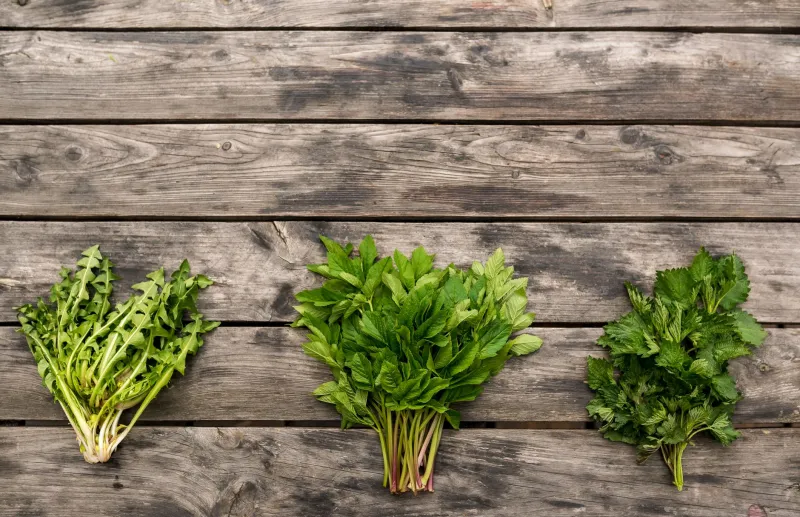
Rediscover dandelion. Dandelion leaves, available from health food shops and increasingly from specialist greengrocers, are among the most potent bitter foods accessible in this country. Dandelion root tea, consumed before meals, is a gentle and effective liver tonic with centuries of use in British herbal medicine — a tradition that predates Ayurveda's arrival on these shores but aligns with it precisely.
Explore Ayurvedic bitter herbs. Neem, guduchi (Tinospora cordifolia), and kutki (Picrorhiza kurroa) are classical Ayurvedic herbs with profound bitter qualities and well-documented hepatoprotective and immunomodulatory effects. They are available in good quality from reputable Ayurvedic suppliers and can be taken as teas, powders, or capsules under appropriate guidance.
Restore the pre-meal ritual. A small amount of fresh ginger with a few drops of lemon juice and a pinch of rock salt taken five to ten minutes before eating is a simple Ayurvedic preparation that primes digestive secretions, stimulates agni, and introduces a mildly bitter note that prepares the body for the meal to come.
Cook with bitter spices. Fenugreek seeds, turmeric, and certain mustard preparations all carry bitter qualities alongside their more celebrated warming properties. Incorporating them regularly into cooking is a low-effort way to restore balance to a diet that currently skews too heavily toward sweetness.
Acquiring the Taste
There is, admittedly, an adjustment period. Palates conditioned by years of sweetened food often find genuine bitterness confronting at first encounter. This is worth persisting through. Taste preferences are malleable, shaped by habit and exposure rather than fixed by biology. Traditional cultures that consume bitter foods regularly — from the Italians with their bitter salad leaves and digestif culture to Indian households where neem and bitter gourd feature routinely in the diet — do not experience bitterness as unpleasant. They experience it as necessary, even satisfying.
That satisfaction, Ayurveda would argue, is the body recognising something it has been missing. Bitterness is not punishment. It is the taste of the body being genuinely cared for.